
Tourist Season Sign Preparation: Making Your Business Easy to Find
- April 24, 2026
- Posted by: Ryan Brady
- Category: Tourist Season
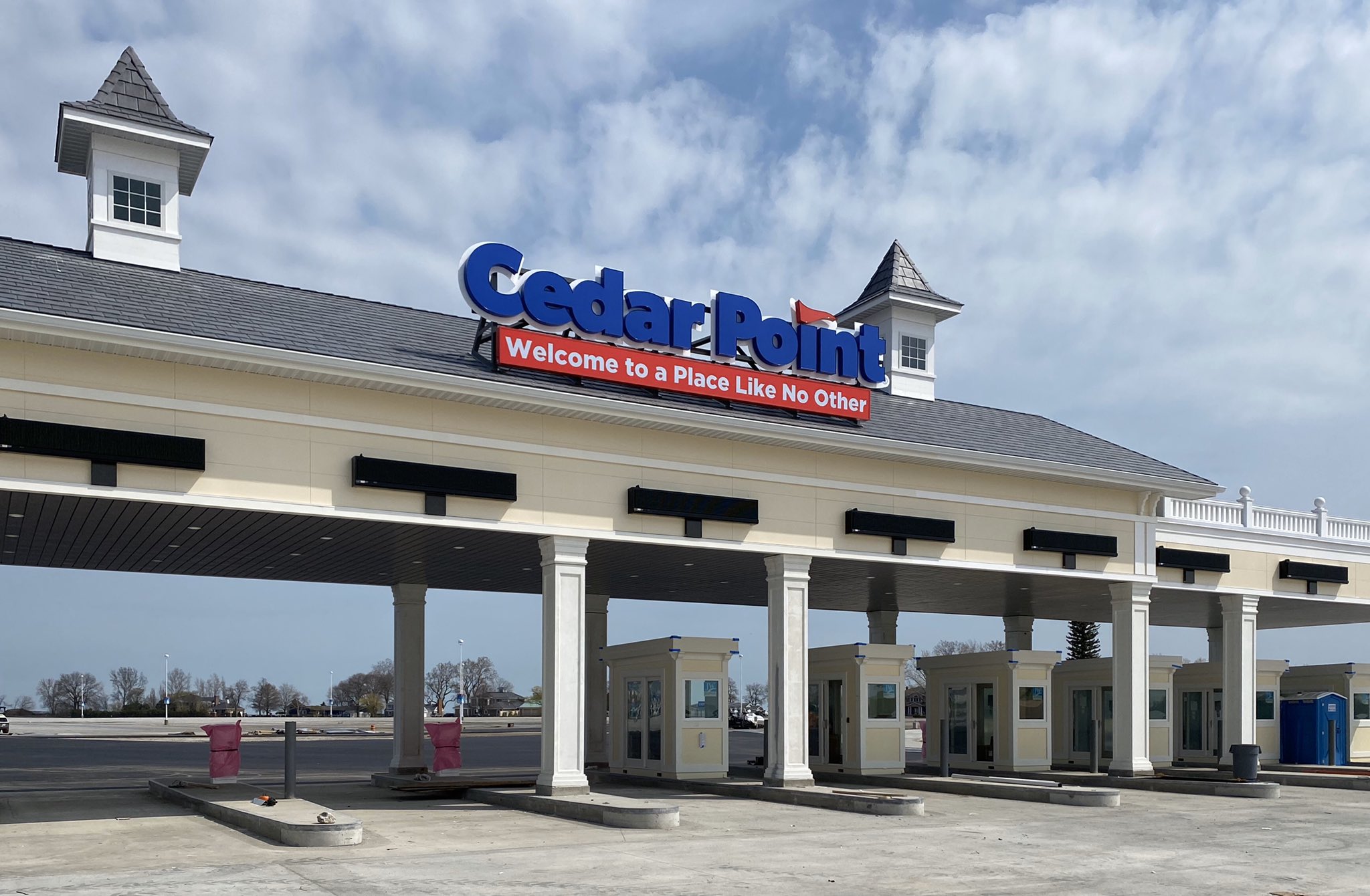
Memorial Day marks the start of the tourist season in North Central Ohio. Conducting tourist season sign preparation early demonstrates proactive planning, helping you feel confident and ready for the busy months ahead.
GPS gets them close. Your signage finishes the job by guiding unfamiliar visitors from highways to your entrance. Miss that connection and you watch potential customers drive past, confused and headed to competitors.
Directional Signage Guiding Visitors From Highways
Tourists don’t know your town. They’re following the GPS while trying to spot business names they researched online. They need help at every decision point between the highway exit and your parking lot.
Directional signs solve the navigation gaps that GPS can’t handle:
- Highway exit signs confirm the correct turn.
- Intersection signs at decision points show which way to go.
- Distance markers let visitors know they’re heading the right way.
- Final approach signs confirm they’ve arrived at the correct location.
Consider the tourist’s journey. After exiting the highway by GPS, they’re told, “Turn right in 500 feet,” but with three right turns, it’s confusing. Clear directional signage should clarify the correct choice before confusion sets in.
Common failures that cost you, customers:
- Signs positioned too close to intersections make it difficult to make safe decisions.
- Text too small to read at actual driving speeds.
- Missing signs at critical turns leave visitors guessing.
- Faded or damaged signs suggesting the business might be closed.
Strategic placement requires understanding real traffic patterns. Do most tourists use one exit or several? Are intersections confusing or cluttered with visual elements? Add directional signs to eliminate confusion before it happens.
Distance confirmation reassures visitors. For example, ‘Cedar Creek Winery 2 miles ahead’ shows they’re on track. Without it, visitors may second-guess their route.
Businesses in visually similar areas need clear directional signs to stand out among nearby options.
The businesses that conducted a sign visibility audit know exactly where unfamiliar visitors struggle and where directional signs deliver the most value.
Clear Identification in Visually Cluttered Tourist Districts
Tourist destinations have intense visual competition. Everyone seeks attention from limited eyes. Your identification must cut through clutter.
Downtown districts present particular challenges:
- Historic buildings with similar architecture make it hard to distinguish locations.
- Awnings and outdoor seating obscure storefront signs.
- Street trees are planted for aesthetics and block business identification.
- Competing signs from neighboring businesses create visual noise.
Waterfront areas make this harder. The distance from the parking to the business means the signs must be visible from farther away. Water reflections and sky backgrounds reduce sign contrast. Seasonal hours create confusion about which businesses are open.
Your identification signage needs strategic design to overcome these obstacles:
- Elevated positioning puts your sign above visual obstructions.
- Strong color contrast ensures your sign stands out against busy backgrounds.
- Distinctive design elements create instant recognition.
- Size appropriate to actual viewing distances since tourists make decisions from across the street.
Monument signs solve many identification problems in tourist areas. They’re positioned closer to streets than building-mounted signs, are visible from vehicles before pedestrians block sightlines, and work effectively in historic districts with building sign restrictions.
Window graphics provide additional identification visible from across streets or parking areas. They’re cost-effective ways to increase your identification presence without major construction.
Seasonal Messaging Without Brand Compromise
During tourist season, keep permanent brand identification clean and professional, and use separate removable signs for seasonal messages.
Common mistakes to avoid:
- Covering permanent signs with banners advertising summer specials.
- Adding a handwritten poster board that looks desperate.
- Cluttering monument signs with multiple promotional messages.
- Leaving temporary signs up months after events end.
Smart seasonal messaging strategies:
- Use dedicated seasonal locations, such as A-frame sidewalk signs or window decals.
- Keep messages simple and focused.
- Plan removal dates and follow through.
- Maintain brand consistency across all signage.
Quality matters for temporary signs as much as for permanent ones. Cheap promotional signs undermine the credibility of your signage. Remember, tourist season lasts months, not weeks—a banner that looks fine for a weekend can appear worn after months of sun and weather.
Illumination Strategies for Extended Summer Hours
Summer brings extended business hours, pushing operations well past sunset. Your signage needs to work just as effectively at 9 p.m. as it does at noon.
Many businesses discover their illumination fails only after tourist season starts:
- Signs visible during the day become invisible at night.
- Burned-out bulbs nobody noticed during slower seasons suddenly matter.
- Insufficient lighting power for twilight conditions becomes obvious.
- Illumination that worked for winter closing times proves inadequate for summer hours. Peak evening hours attract key visitors. Make sure your signage remains visible when families finish daytime activities and head out for dinner or entertainment.
Conduct evening visibility tests before tourist season arrives:
- Walk and drive past your business at various times of day.
- Replace burned-out components immediately before peak season.
- Upgrade lighting if your current system can’t provide clear sign visibility throughout extended operating hours. Proper illumination ensures visitors find you after dark.
- Set timers for the actual sunset times, which change throughout the summer.
Different sign types require different strategies. Monument signs benefit from ground-mounted uplighting or internal illumination. Building-mounted letters work best with halo illumination or direct internal lighting. Directional signs need adequate lighting so tourists can follow routes in the evening.
The businesses that upgraded to energy-efficient LED lighting captured evening customers while reducing operating costs.
Wayfinding Solutions for Complex Properties
Tourists at wineries, resorts, marinas, or multi-building retail complexes face navigation challenges that GPS can’t solve. Your property’s wayfinding determines whether they arrive easily or leave frustrated.
Complex property wayfinding requires coordinated sign systems:
- Entry signs at property entrances confirm visitors have arrived at the correct location.
- Directory signs near parking areas list buildings with directional information.
- Directional signs at decision points indicate which path leads to each destination.
- Building identification signs clearly mark each structure.
Common wayfinding failures include assuming visitors already know the property layout, inadequate signage at entry points, leaving visitors unsure, missing directional signs at key decision points, and confusing or contradictory information across signs.
Design wayfinding systems from the tourist’s perspective, not the property owner’s. Remember, you know your property intimately, but tourists do not. Provide signs that clearly say “Tasting Room” and include arrows that point in the correct direction.
Test your wayfinding with friends or family members unfamiliar with your property. Watch where they hesitate, where they guess, where they backtrack. Those moments reveal exactly where you need additional signage.
Standardize wayfinding sign design across your property:
- Consistent colors make all directional signs instantly recognizable.
- Matching fonts and layouts.
- Uniform sizing appropriate to viewing distances.
- Professional fabrication creates a polished appearance.
Large tourist properties benefit from numbered or color-coded systems. “Follow blue signs to parking” or “Building 3” creates simple navigation instructions that work regardless of language barriers.
Properties that recognize how physical storefront signage complements digital marketing understand that being found online means nothing if visitors can’t navigate from the highway to your entrance.
Tourist Season Sign Preparation: Starting Before Summer Arrives
Tourist season arrives faster than businesses anticipate. The tourist season sign preparation work you complete in April and May determines whether June through September delivers the revenue your business needs.
Audit your directional signs from every entrance route to ensure tourists can always find their way. Address any gaps now, before tourists arrive.
- Test identification visibility in cluttered summer conditions.
- Plan seasonal messaging that enhances brand identity.
- Verify illumination for extended summer hours.
- Improve wayfinding before visitors arrive.
Start preparing your tourist-season signs now to get ahead of the competition. When others realize their signage confuses visitors, you’ll be welcoming the customers they miss out on. Act early on sign preparation for a clear advantage.
Smart businesses prepare while tourists are still planning trips, not after they’ve arrived and started getting lost. Your signage either guides summer traffic to your door or sends it to competitors who prepared better.
Tourist season rewards businesses that make it effortless for tourists to find them. GPS brings visitors to your area. Professional signage brings them through your door.
Brady Signs is a third-generation family business that has been a premier provider of business signage solutions throughout the North Central Ohio region and beyond for over 50 years. We’re here to discuss how our eye-catching signage can transform your brand into a statement.
