
Winter Visibility Crisis: How Snow and Ice Hide Your Business Signs
- January 23, 2026
- Posted by: Ryan Brady
- Category: Signage Strategies, Winter Business Tips
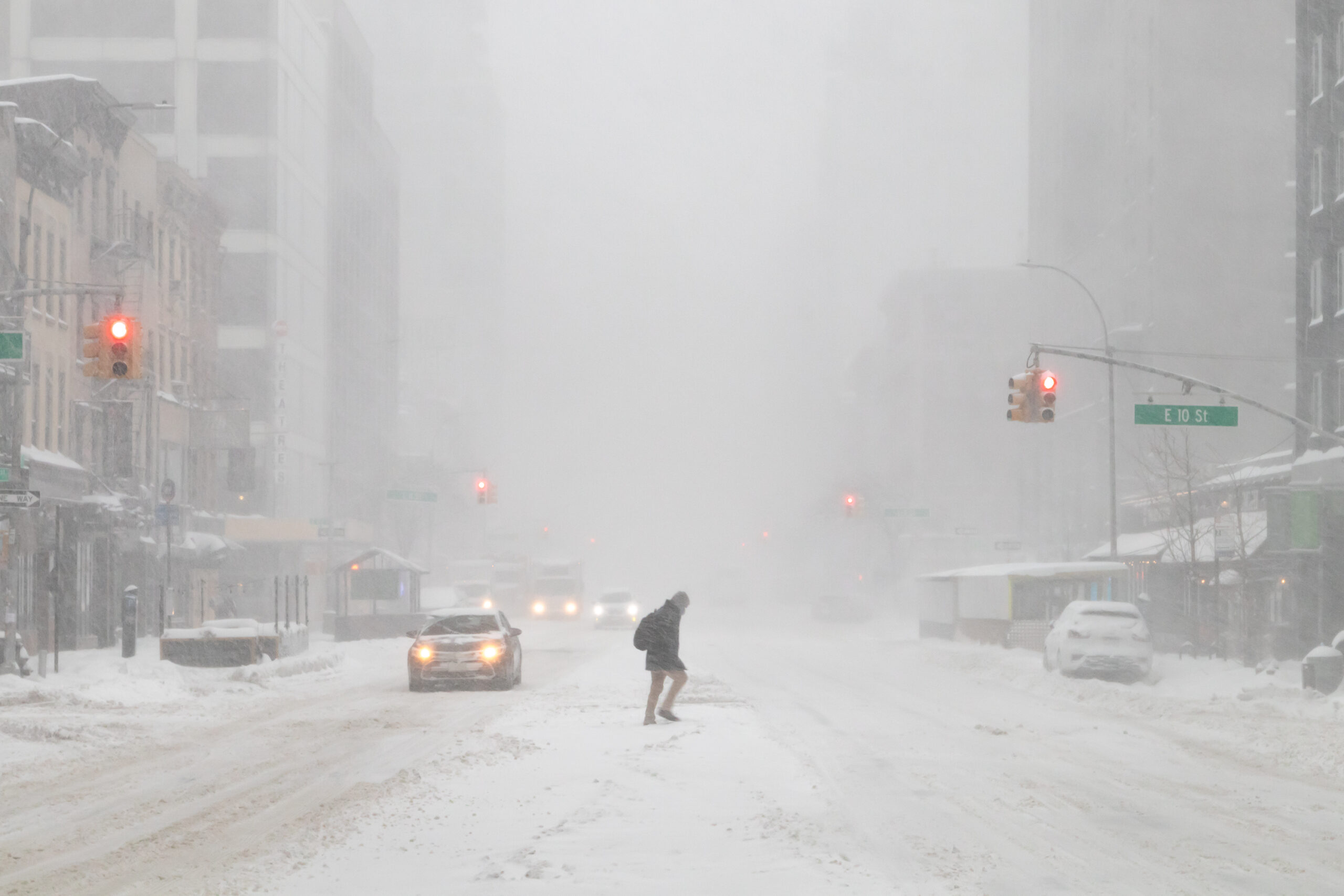
Snow falls, and your signage disappears. Not damaged. Not broken. Just invisible. How are you coping with the winter visibility crisis?
Customers drive past your location without seeing you. They circle the parking lots, confused about which building is yours. They give up and choose competitors with clearer visibility.
This isn’t a minor inconvenience. It’s a revenue crisis that repeats every winter storm and persists through months of accumulated ice and reduced daylight. The signs you paid thousands for might not exist when winter weather renders them useless.
Most businesses don’t recognize this problem until customers mention it directly. “I drove right past you,” or “I couldn’t tell which building was yours with all that snow,” reveals that your winter visibility crisis is costing money every single day.
Let’s examine exactly how winter weather sabotages your signage and what you can do proactively to maintain visibility when it matters most, giving you control over winter challenges.
Snow Accumulation Blocking Monument Signs
Your monument sign sits at ground level by design. It provides visibility to passing traffic while maintaining an aesthetic appeal that pole-mounted signs can’t match.
Then the plow trucks arrive and bury it completely under three feet of wet, heavy snow.
Plow operators aren’t targeting your sign maliciously. They’re clearing parking lots and roadways. Your monument sign is positioned exactly where plowed snow naturally accumulates. By morning, only the top few inches peek above a snowbank.
This gets worse with each subsequent storm—the snow piles compound. What started as a manageable accumulation becomes a solid wall blocking your entire sign face. Customers driving past see nothing but white mounds where your business identification should be.
Directional signs suffer even more. These minor ground-level signs guide customers from main roads to your entrance. When snow buries them, first-time visitors have no idea where to turn. They slow down, creating traffic problems, pull into the wrong driveways, or simply keep driving.
The problem persists long after snowfall stops. Packed snow and ice remain for weeks in colder climates. Your sign stays hidden until the spring thaw finally reveals it again. That’s months of lost visibility from a sign that should work year-round.
Design solutions exist, but require planning before winter hits. Monument signs with elevated bases raise sign faces above the typical plow accumulation height, ensuring visibility during snowfalls. Heating elements prevent ice formation on critical surfaces, and snow shields deflect plowed snow away from sign faces, helping maintain visibility when it matters most.
Reactive solutions, such as contracted snow removal, help maintain visibility and are a cost-effective way to protect your investment, ensuring your signage works year-round.
Ice Formation Obscuring Illuminated Sign Faces
Illuminated signs generate heat that usually prevents ice accumulation. Usually, but extreme winter conditions overwhelm that heat production and create visibility disasters.
Ice forms on channel letter faces, making individual letters illegible. Your business name becomes an abstract ice sculpture rather than a readable identifier. From a distance, customers can’t distinguish your sign from the building behind it. Everything blends into frozen confusion.
Cabinet signs with translucent faces suffer similarly. Ice coverage blocks light transmission completely. Your sign goes dark even though the internal illumination works perfectly. Customers assume you’re closed because they can’t see any identifying signage.
The problem compounds at night when you need illuminated signs most. Winter darkness arrives by 5 p.m. in many regions. If ice obscures your signs during peak evening traffic, you’ve lost hours of visibility during crucial business periods.
LED signs face unique challenges. While LED technology dramatically reduces energy consumption, many businesses find that LED sign lighting generates less heat than older technologies, making it more susceptible to ice accumulation during severe weather.
Prevention requires proactive design choices. Hydrophobic coatings on sign faces reduce ice adhesion. Proper spacing between letters prevents ice bridges from forming. Adequate heat generation from internal lighting keeps surfaces above freezing even during storms.
Manual ice removal creates its own problems. Employees chipping ice off expensive sign faces risk damaging materials. Falls from ladders while attempting to reach elevated signs pose a serious risk of injury. Professional maintenance becomes essential rather than optional.
Reduced Daylight Hours Requiring Stronger Lighting
The winter solstice brings barely nine hours of daylight in northern regions. Your business operates in the dark for more than half of its open hours.
Signage that provides adequate visibility in summer fails to cure winter darkness. The ambient light that helped your non-illuminated signs work disappears. What customers could easily read in July becomes invisible in January.
Illumination requirements increase during winter for reasons beyond darkness alone. Snow-covered surroundings create visual monotony, making everything look similar. Your sign needs to punch through that sameness with significantly stronger lighting than summer conditions require.
Cloud cover during winter storms further reduces available light. Overcast skies persist for days in many regions during the winter months. Your signs compete for visibility even in conditions resembling dusk, at midday.
The businesses that planned summer sign installations often discover winter inadequacy too late. They selected lighting levels appropriate for long summer days but wholly insufficient for winter darkness. By the time they recognize the problem, they’ve lost months of winter visibility.
Energy costs complicate winter lighting decisions. Longer hours of illumination mean higher electricity bills, exactly when many businesses experience slower revenue. Some owners respond by reducing sign lighting hours to save money, which compounds their visibility crisis.
Solutions require understanding that winter and summer are different environments. Signs need stronger illumination, more power, and longer hours to maintain visibility during the darkest months.
Timer systems should adjust automatically for seasonal daylight changes to ensure consistent visibility. Your sign should illuminate earlier in December than in June without manual intervention. Photoelectric sensors maintain reliable illumination regardless of weather conditions affecting ambient light, helping your signage stay visible during winter’s shorter days.
Proactive Maintenance: Preventing Winter Visibility Loss
Most winter visibility problems are preventable through planning and maintenance. Reactive approaches fail because by the time you notice the issue, you’ve already lost weeks of visibility.
Seasonal sign inspections should be conducted in November before the weather deteriorates. Check the lighting functionality, remove accumulated summer dirt, and verify structural integrity before ice loading begins. Problems discovered in November can be fixed before they cause winter visibility loss.
Heating systems for sign faces prevent ice formation rather than requiring reactive removal. These systems consume electricity but cost far less than the business lost to invisible signage. ROI calculations clearly favor prevention over neglect.
Snow removal contracts should explicitly include signage areas. Standard parking lot plowing often excludes monument signs and directional signage. Specify these areas in contracts to ensure they receive attention after every storm.
Lighting upgrades sometimes become necessary. If your current system can’t maintain winter visibility, delaying upgrades costs money every day through lost customer traffic. Many businesses find that investing in improved sign solutions pays for itself within a single winter season through maintained visibility.
Emergency response plans should cover sign failures during winter storms. Know who to call when the lights go out at 6 p.m. on a Friday before a holiday weekend. Have backup lighting available for critical signage that can’t go dark without severely impacting business.
Design for winter conditions from the beginning. New sign projects should account for snow accumulation patterns, ice formation risk, reduced daylight hours, and gray sky visibility challenges. Spending 15% more up front prevents 100% visibility loss during the seasons when you need signs most.
Don’t Let Winter Hide Your Investment
You paid for signage that works year-round. Winter shouldn’t render that investment invisible for four to six months annually.
The businesses maintaining winter visibility capture customers that competitors lose. When the weather makes finding locations difficult, clear signage becomes the deciding factor in where customers choose to shop.
Prevention costs less than lost revenue. Heating systems, proper lighting, and maintenance contracts require investment, but invisible signs generate zero return regardless of how much they cost initially.
Strategic design choices made before winter arrives eliminate most visibility problems. Understanding how snow accumulates, how ice forms, and how winter lighting differs from summer conditions leads to sign solutions that actually work twelve months per year.
Your competitors are probably neglecting winter visibility right now. Their signs are buried, iced over, or inadequately lit. That creates an opportunity for businesses willing to maintain a professional appearance and maintain clear visibility regardless of the weather.
Stop accepting winter invisibility as inevitable. Take control of your signage performance during the exact season when customers need the most precise guidance to find your location.
Brady Signs is a third-generation family business that has been a premier provider of business signage solutions throughout the North Central Ohio region and beyond for over 50 years. We’re here to discuss how our eye-catching signage can transform your brand into a statement.
