
Spring Sign Installation: Beating the April-June Rush
- February 6, 2026
- Posted by: Ryan Brady
- Category: Spring Sign Installation
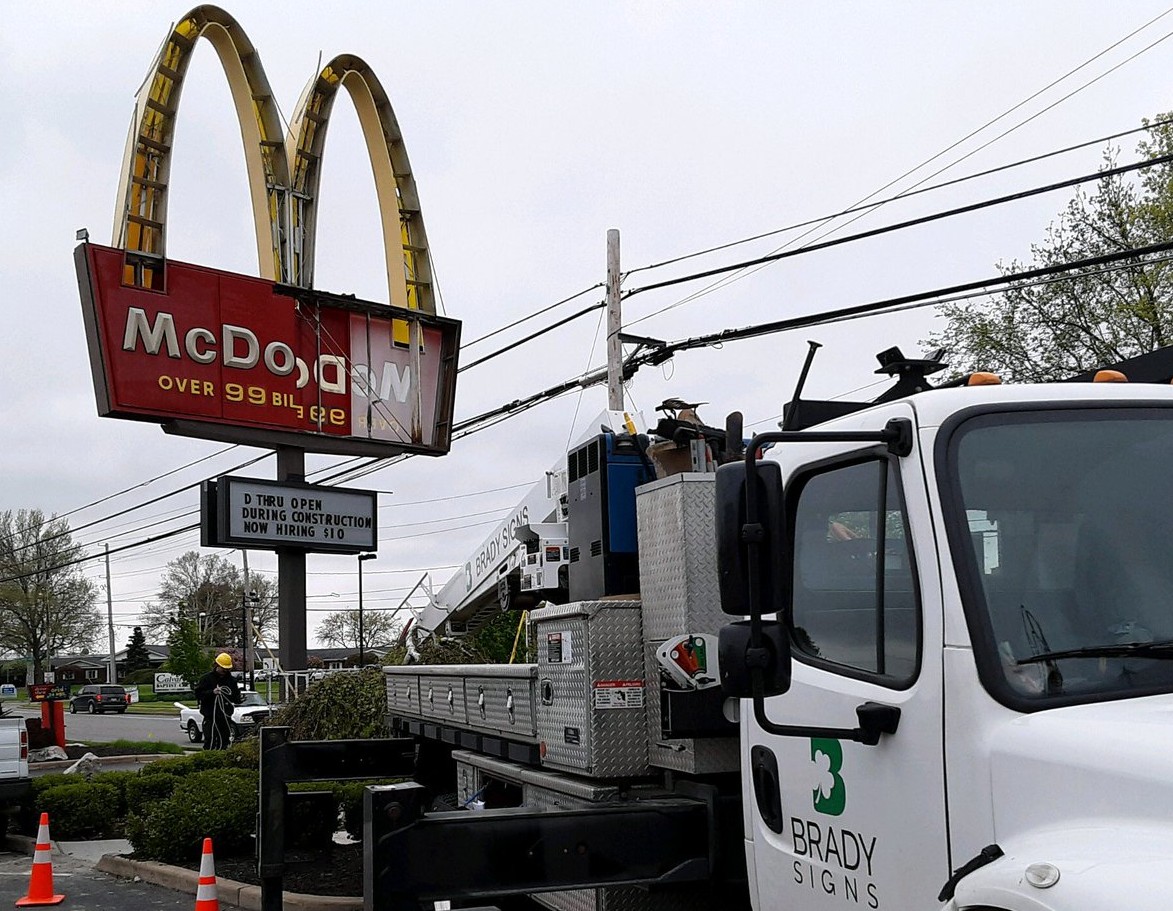
Late winter may seem early to think about a spring sign installation, but emphasizing the benefits of early planning can motivate proactive action and help you gain a competitive advantage before most businesses start their projects.
That’s exactly why late winter represents your best planning window.
By the time March arrives, you’re competing with every other business that suddenly realizes they need new signs before their busy season hits. Contractors book solid. Material lead times can stretch from weeks to months. Permit approvals that could happen quickly now take forever when municipal offices get flooded with applications.
By planning your spring sign installation during winter’s downtime, you can confidently beat the rush and ensure your signs are ready for peak traffic. This proactive approach helps you avoid last-minute stress and uncertainty, giving you peace of mind.
Let’s break down exactly how to plan for spring success now.
Design Finalization During Winter Downtime
Late winter gives you breathing room that evaporates by March. Use it.
Your sign design deserves careful consideration, not rushed decisions made under deadline pressure. Winter allows you to:
- Review multiple design concepts without time constraints.
- Get feedback from partners, employees, or trusted advisors.
- Test how designs look at different times of day and lighting conditions.
- Make revisions until everything aligns perfectly with your brand.
- Plan for realistic timelines that get your signs working before peak season, not during it.
Professional sign companies have more capacity for design consultations during the slower winter months. You’ll get better attention and more thorough exploration of options than you would during their spring rush.
Mock-ups and renderings take time to produce. Starting now means you’ll have ample time to r compare options side-by-side and make confident decisions.
Color selections look different in winter light versus spring conditions. Finalizing designs now lets you verify how they’ll actually appear during the seasons when your business operates at peak volume. You’re not guessing based on winter appearances.
Material choices affect both aesthetics and longevity. Winter planning gives you time to research options, compare durability specifications, and understand maintenance requirements. Rushed spring decisions often prioritize speed over optimal material selection.
Permit Applications and Variance Meeting Deadlines
Here’s what most businesses don’t understand about sign permits: municipal approval timelines, such as review meetings and variance hearings, are fixed and often occur only once a month. Starting early ensures your application aligns with these schedules, giving you control over the process and reducing the risk of delays that could push your project into peak season.
Many businesses overlook how municipal approval timelines are beyond their control. Submitting permit applications early ensures you stay ahead of delays, giving you a sense of control and reducing worry about spring installation setbacks.
This creates cascading delays that destroy spring installation plans:
- Late winter meeting deadline passes unnoticed.
- The March application gets reviewed in April.
- Approval arrives in May when contractors are booked.
- Installation finally happens in June or July.
- Your peak spring traffic period passes with old, ineffective signage.
Variance requirements add another layer of complexity. If your proposed sign needs any type of variance from standard zoning codes, you’re looking at additional review processes with their own timelines and deadlines.
Common variance situations include:
- Signs exceeding standard height limitations.
- Placement closer to property lines than typically allowed.
- Illumination in areas with lighting restrictions.
- Size requirements beyond standard maximums.
- Historical district installations require special approval.
Professional sign companies that handle permitting understand these municipal calendars intimately. They know which jurisdictions require variance applications, what documentation each requires, and when deadlines fall. Starting now gives them time to navigate these processes correctly.
Submit applications early, even if installation won’t happen until April or May. Permits don’t expire overnight. Having approval in hand removes the biggest variable delays in spring projects.
Material Ordering to Avoid Manufacturing Delays
Sign manufacturing takes time regardless of the season, but planning now provides a strategic advantage. When your signs are installed and operational in April, you’ll be capturing customers while competitors are still waiting for their projects to be completed, positioning your business ahead of the competition.
The real advantage of planning now isn’t about material availability. It’s about competitive positioning. When your signs are installed and working in April, you’re capturing customers while competitors are still waiting for their projects to be completed.
Custom signage requires coordination between design, fabrication, and installation. Complex projects need time to get every detail right. Starting the process now means your business is fully prepared before your busiest months hit, giving you a competitive edge over late starters.
Color matching becomes critical for businesses with existing signs or multiple locations. Proper planning allows time for careful quality control and matching procedures, ensuring your brand looks consistent across all touchpoints.
The businesses that plan don’t scramble. They open their peak season with professional signage already driving traffic. Their competitors? Still waiting for installation while missing valuable customer opportunities.
Spring Sign Installation Planning: Scheduling Before Bookings Fill
March through June represents the absolute busiest period for professional sign installation contractors. Everyone wants the work completed before summer.
Businesses reopening after winter shutdowns need signs immediately. Seasonal operations are being prepared for a tourist influx, and all contractors are being contacted simultaneously. Retail chains rolling out rebrands want all locations completed before peak shopping periods.
This creates a scheduling crunch where qualified installers simply can’t accommodate everyone. Projects get pushed back weeks or months, regardless of how desperately you need completion.
Winter scheduling solves this entirely:
- Contractors have open calendars and flexibility.
- You secure preferred dates rather than accepting whatever’s available.
- Weather delays don’t cascade into other commitments.
Weather considerations matter less than scheduling availability. Modern installation techniques handle most spring weather conditions effectively. What installers can’t handle is being booked on twelve different projects simultaneously during the same three-week window.
Weather Windows for Early Spring Exterior Work
Many businesses overestimate the impact of weather on sign installation. Modern techniques and flexible scheduling mean work can often proceed in early spring, especially if you plan and choose optimal weather windows, reducing the risk of delays caused by unpredictable conditions.
This outdated thinking costs money and opportunity.
Professional installers work successfully in conditions that would surprise most business owners:
- Temperatures above 40°F allow most installation work.
- Modern adhesives and sealants cure effectively in cool conditions.
- Electrical work proceeds normally in cold weather.
- Structural mounting doesn’t require summer temperatures.
What actually stops installation isn’t moderate cold. It’s precipitation and extreme conditions:
- Active rain or snow prevents safe work and causes material damage.
- Ice on structures creates unsafe working conditions.
- Extreme wind affects crane operations and mounting safety.
- Frozen ground stops foundation work for monument signs.
Late winter through April offers plenty of workable weather windows. Installers monitor forecasts and schedule around storms. A three-day installation planned for late March typically finds at least one or two suitable workdays, even if the weather isn’t perfect.
Regional differences matter. North Central Ohio experiences different spring conditions than those in the southern or northern states. Local sign companies understand regional weather patterns and plan accordingly. They know which weeks typically offer the best installation windows and can advise on optimal timing.
Winter planning allows flexibility to adjust installation dates based on actual spring weather. Contractors can tentatively schedule the March or April installation, then finalize specific dates as forecasts clarify. This beats rigid May scheduling when you’re competing with everyone else.
Budget Approval Timing for Fiscal Year Investments
Many businesses operate on fiscal years that align with calendar years. Late winter marks crucial budget-planning periods when capital expenditures are approved or rejected for the coming quarters.
Getting sign projects approved early in the fiscal year provides multiple advantages:
- Funds get allocated before other priorities consume the budget.
- You’re not competing with year-end spending requests.
- Approval allows immediate action rather than waiting months.
- Multi-quarter planning includes contingencies for unexpected costs.
Organizations with more complex approval processes particularly benefit from winter planning. Corporate structures requiring multiple sign-offs, committee reviews, or board approvals all take time. Starting the process now means decisions will be finalized by March or April rather than dragging into summer.
Capital expense planning typically examines ROI calculations and competitive positioning. Signs that improve visibility and customer acquisition obviously deserve approval. But the businesses that document specific problems their current signage creates and quantify expected improvements make stronger cases that get approved faster.
Consider what happens when budget requests are delayed. A sign project proposed in May competes with dozens of other mid-year spending requests. Budget holders hesitate to approve large expenditures when they’re uncertain about remaining funds for the last two quarters. Your project gets tabled for reconsideration in the next fiscal year.
Winter proposals face less competition and greater certainty about available funds. Decision-makers can approve knowing that successful sign installations will drive revenue throughout peak months rather than arriving after the busy season ends.
The businesses that invested in analyzing their sign crimes and documenting how poor signage actively damages their business make compelling budget cases that get approved even when resources feel tight.
Taking Action Now for Spring Success
Every week you delay planning pushes your project further into the spring rush. By mid-March, you’ve lost most of the advantages that winter planning provides.
The path forward is straightforward:
- Contact sign companies this week for design consultations.
- Review municipal permit requirements and variance meeting schedules.
- Establish project timelines that account for design, permits, manufacturing, and installation.
- Secure budget approval while fiscal year funds remain available.
- Lock in installation scheduling before contractor calendars fill.
Your competitors are probably not thinking about spring signage yet. They’re focused on immediate winter concerns and won’t start planning until the weather improves. That delay hands you a competitive advantage.
When their signs finally get installed in July or August, yours will have been working for months. You’ll have captured spring traffic they missed. You’ll have refined messaging based on customer response. You’ll be established while they’re just getting started.
Winter planning beats spring scrambling every single time. The businesses that understand this win. The ones that wait lose.
Brady Signs is a third-generation family business that has been a premier provider of business signage solutions throughout the North Central Ohio region and beyond for over 50 years. We’re here to discuss how our eye-catching signage can transform your brand into a statement.
