
Commercial Property Signage: Attracting Quality Tenants With Professional Signs
- February 20, 2026
- Posted by: Ryan Brady
- Category: Commercial Property Signage
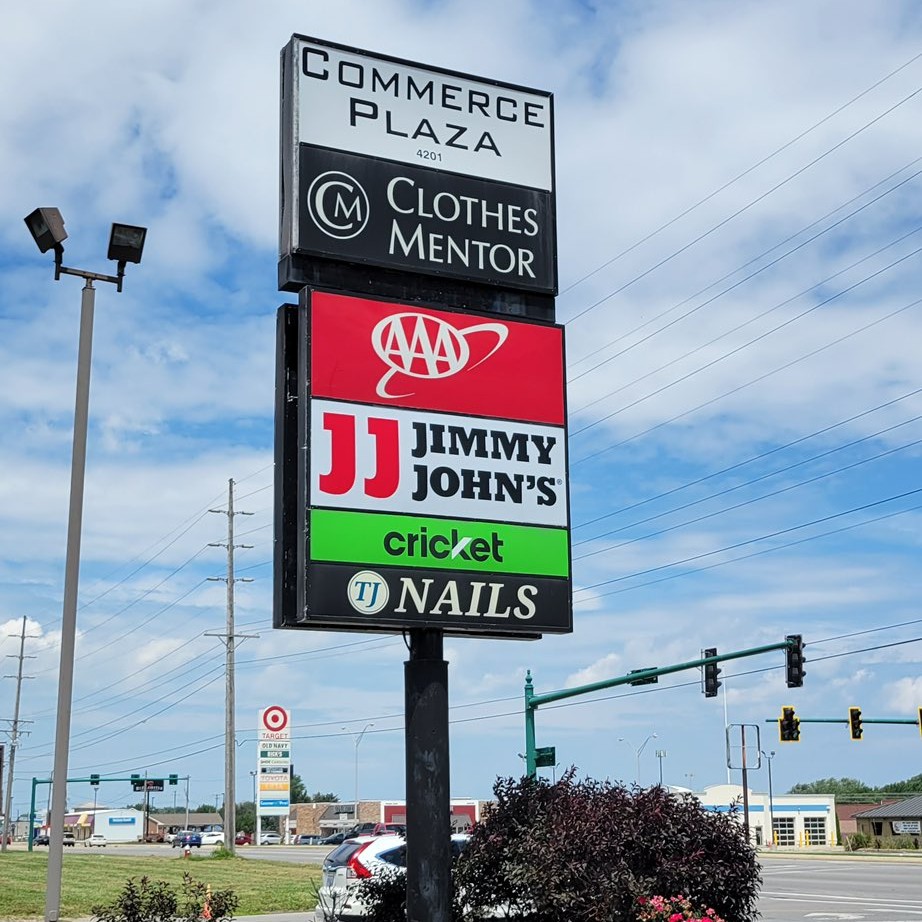
Commercial property owners face a simple reality. Quality tenants choose properties that help their businesses succeed.
Your signage strongly influences tenant decisions, helping prospects feel confident that your property supports their business success before they even tour.
Professional signage signals that you operate a well-managed property where businesses can thrive. Poor signage suggests neglect, limited visibility, and operational challenges that quality tenants avoid.
The difference between securing premium tenants versus settling for whoever will sign determines your property’s long-term value and cash flow. Your signage investment pays off through higher occupancy rates, stronger lease terms, and tenant retention, which reduces turnover costs. Understanding the return on investment helps you see how professional signage can enhance property value and attract quality tenants.
Let’s examine how strategic commercial property signage attracts and retains the tenants you actually want.
Monument Signs Establishing Property Identity
Properties without clear monument signs force prospects to guess which building matches the address they’re seeking. That confusion costs you quality tenants before they even contact your leasing office.
Monument signs serve multiple critical functions:
- Identify your property from the main roadways before prospects turn in.
- Create professional first impressions that set quality expectations.
- Distinguish your property from nearby competing locations.
- Provide 24/7 visibility that works even when offices are closed.
- Signal property management standards through design and maintenance quality.
The monument sign becomes your property’s primary brand identity, making tenants feel proud to be associated with a well-managed, recognizable space.
Cheap or missing monument signs suggest cheap property management overall. Tenants reasonably assume that owners who won’t invest in quality signage probably cut corners on HVAC maintenance, roof repairs, or other critical property systems.
Design quality matters tremendously. Your monument sign should communicate:
- Stability and permanence through substantial construction.
- Professional management through a clean, maintained appearance.
- Attention to detail through quality materials and finishes.
- Modern standards through current design aesthetics.
Location and visibility determine the effectiveness of a monument sign. Properties set back from main roads need larger signs positioned closer to the street frontage. Multi-tenant properties near highway exits need signs visible at highway speeds. Complex properties with multiple access points need directional monument signs at each entrance.
Poor visibility into location data represents one of the biggest challenges commercial properties face. Your signage can overcome inherent disadvantages in property positioning. A well-designed, strategically placed monument sign makes a hidden property findable and transforms a poor location into a discovered opportunity, attracting tenants who might otherwise overlook your property.
Tenant Panel Systems for Flexible Business Identification
Multi-tenant properties need signage systems that accommodate different business types, sizes, and branding requirements while maintaining property-wide consistency.
Tenant panel systems offer flexibility that makes tenants feel their branding needs are understood and accommodated, boosting satisfaction and loyalty.
Key advantages of professional tenant panel systems:
- Uniform appearance creates cohesive property identity.
- Easy updates when tenants change without replacing entire signs.
- Cost efficiency by sharing structure costs across multiple tenants.
- Design standards that prevent individual tenants from creating visual chaos.
- Professional presentation that enhances all tenant brands simultaneously.
Quality tenant panel systems balance flexibility with standards:
- Individual panels accommodate different business name lengths.
- Consistent sizing prevents any single tenant from dominating.
- Coordinated illumination ensures equal visibility for all tenants.
- Material and color standards maintain a professional appearance.
- Mounting systems allow efficient panel replacement during tenant turnover.
The businesses that chose your property partly based on professional tenant identification often become frustrated when poor signage fails to showcase their brands effectively. That dissatisfaction affects renewal decisions and tenant satisfaction scores.
Prospective tenants evaluate the quality of the tenant panel during site visits. They’re imagining their business name on that sign. If existing panels look faded, poorly maintained, or unprofessionally designed, prospects question whether your property will adequately support their visibility needs.
Smart property owners include tenant signage specifications in lease agreements. This prevents situations in which individual tenants create incompatible signs that damage the overall property presentation. Standard specifications ensure all tenant signs enhance rather than detract from property value.
Wayfinding Signage Improving Property Functionality
Complex commercial properties frustrate visitors who can’t find specific tenant locations, appropriate parking areas, or building entrances. This confusion negatively affects every tenant’s business.
Professional wayfinding signage solves navigation problems that otherwise cost your tenants customers and damage their businesses.
Essential wayfinding elements include:
- Directional signs at property entrances indicate building locations.
- Parking designation signs prevent conflicts between tenants.
- Building identification markers visible from parking areas.
- Suite number signs help visitors locate specific tenants.
- ADA-compliant directional information meets accessibility requirements.
Poor wayfinding forces tenants to provide detailed arrival instructions for every customer, delivery, or business meeting. That friction reduces tenant satisfaction and makes your property less attractive than competing locations with clear navigation.
Consider the tenant perspective. They’re paying rent partly for location advantages. If poor wayfinding negates those advantages by making their business hard to find, they’re not getting value from their lease. That motivates them to relocate when their term expires.
Wayfinding particularly matters for properties with:
- Multiple buildings sharing common addresses.
- Parking lots serving different buildings or tenant groups.
- Rear or side entrances that aren’t obvious from main approaches.
- Complex internal layouts where suite locations aren’t intuitive.
- Mixed-use properties where retail, office, and service tenants serve different customer types.
Quality wayfinding transforms challenging properties into easy-to-navigate spaces. You’re adding value that helps every tenant succeed, which justifies premium rents and reduces vacancy periods.
The same principles that help customers navigate successfully when businesses invest in physical storefront signage apply equally to multi-tenant commercial properties, where wayfinding determines whether visitors can actually locate specific businesses.
Illumination Standards Benefiting All Tenants
Evening visibility matters for commercial properties just as critically as daytime appearance. Properties that go dark after sunset lose visibility for tenant businesses operating evening hours or serving customers who research options while driving home from work.
Comprehensive illumination strategies ensure your property remains visible and attractive regardless of time:
- Monument signs with internal or external illumination stay visible after dark.
- Building-mounted tenant identification remains readable in the evening.
- Parking area lighting integrated with wayfinding signage improves safety and navigation.
- Landscape lighting, which highlights property features and signage, creates a premium appearance.
Inconsistent illumination creates problems. When some tenants’ lights go on while others stay dark, it suggests unequal treatment or poor property management. Quality tenants notice these discrepancies and factor them into lease decisions.
Property-wide illumination standards prevent individual tenant lighting choices from creating visual chaos. Specifications should address:
- Illumination types allowed for tenant signs (internal, external, backlit).
- Color temperature standards ensure a cohesive appearance.
- Brightness levels prevent any tenant from overwhelming others.
- Operating hours for illuminated signs (24/7 versus business hours only).
- Energy efficiency requirements protect operating cost budgets.
LED technology has transformed the economics of commercial property illumination. Modern systems deliver superior visibility at dramatically lower energy costs than older technologies. Properties still operating outdated sign lighting waste money monthly while providing inferior tenant value.
The businesses that upgraded their existing signs through LED sign conversions reduced operating costs while improving tenant satisfaction, creating a competitive advantage over properties that haven’t modernized.
Illumination timing affects property security and tenant comfort. Well-lit properties create safer environments for employees working late or customers attending evening appointments. Darkness suggests abandonment and invites security concerns.
Maintenance Programs Protecting Property Owner Investments
Commercial property signage represents a significant capital investment. Without proper maintenance, that investment degrades rapidly and eventually requires complete replacement.
Professional maintenance programs preserve sign value while maintaining the quality appearance that attracts premium tenants.
Essential maintenance activities include:
- Regular cleaning removes accumulated dirt and environmental damage.
- Prompt repair of illumination failures before they affect tenant visibility.
- Structural inspections identify problems before they cause failures.
- Preventive replacement of components approaching end-of-life.
- Weather damage assessment and repair following significant storms.
Deferred maintenance compounds costs. A burned-out bulb costs dollars to replace immediately, but can lead to hundreds of dollars in additional damage if moisture penetrates the failed component. Faded sign faces that could be refinished inexpensively require complete replacement if neglected too long.
Tenants notice the quality of maintenance, or lack thereof. Properties with well-maintained signage signal professional management that likely extends to all property systems. Neglected signs suggest property owners who don’t prioritize tenant needs or property value.
Service contracts with professional sign companies ensure maintenance is scheduled rather than reactive after problems become obvious. Scheduled inspections catch developing issues before they cause visible failures.
Consider maintenance requirements when selecting sign types and materials:
- Premium materials require less frequent maintenance and last longer.
- LED illumination needs less maintenance than traditional lighting.
- Weather-resistant finishes reduce the need for cleaning and refinishing.
- Modular designs allow component replacement without full sign reconstruction.
Budget maintenance costs as operating expenses, not discretionary spending. Well-maintained signs protect property value and tenant satisfaction. Neglected signs destroy both while eventually requiring more expensive replacement than consistent maintenance would have cost.
Overcoming Location Challenges Through Strategic Signage
Not every commercial property enjoys prime visibility on major roadways with ideal traffic patterns. Many properties face inherent disadvantages that signage can overcome.
Common location challenges that professional signage solves:
- Properties set back from main roads behind other buildings.
- Locations on secondary streets with less traffic than primary corridors.
- Sites with obstructed sight lines from approaching traffic.
- Properties in areas with heavy visual competition from surrounding businesses.
- Challenging access routes that require clear directional guidance.
Strategic signage compensates for location disadvantages:
Elevation increases visibility for properties that lack street frontage. Taller monument signs or elevated building identification create visibility over obstacles that would otherwise hide your property.
Positioning signs closer to main roads rather than near buildings improves visibility from a distance. Prospects spot your property from farther away, giving them time to prepare for turns or access routes.
High-contrast designs and stronger illumination help your property stand out among visual clutter. When surrounded by competing signs, superior visibility determines which properties prospects notice.
Multiple sign locations create visibility from different approach directions. Properties accessible from several routes require signage at each approach point, rather than a single monument sign that serves only one traffic pattern.
Directional signs bridge the gap between the visibility of the main road and the actual location of the property. Clear directional guidance helps prospects navigate from where they first see your property to where they actually need to turn.
Size and scale appropriate to viewing distances ensure your signage works effectively. Signs sized for walking pace don’t function when prospects drive past at 45 mph. Professional sign companies calculate optimal sizing based on actual traffic speeds and sight line distances.
Poor locations become acceptable locations when signage overcomes inherent disadvantages. Properties that should struggle with visibility instead compete effectively against seemingly better-positioned competitors. That transformation directly affects your ability to attract quality tenants and command market-rate rents.
Signage as Tenant Acquisition and Retention Tool
Quality commercial property signage isn’t decorative. It’s a functional tool that directly affects your bottom line through tenant acquisition and retention.
During tenant prospecting:
- Professional signage creates positive first impressions before prospects tour spaces.
- Clear property identification helps prospects easily find your location.
- Quality materials and design suggest a well-managed property worth considering.
- Existing tenant visibility demonstrates that your property supports business success.
During tenant retention:
- Maintained signage shows ongoing property investment and management attention.
- Effective wayfinding reduces tenant frustration about customers’ ability to find their locations.
- Updated signage systems accommodate tenant brand evolution and changes.
- Consistent quality standards prevent any tenant from being disadvantaged compared to others.
The tenants you want have choices. They evaluate multiple properties before selecting locations. Your signage influences those evaluations more than lease rate differences of a few dollars per square foot.
Think about it from a tenant’s perspective. Two similar properties offer comparable spaces and similar lease terms. One has professional monument signs, clear wayfinding, well-maintained tenant panels, and comprehensive illumination. The other has faded signs, confusing layouts, and inconsistent lighting.
Which property would you choose for your business? The answer’s obvious. Quality signage signals quality property management and tenant support.
That preference justifies premium rents and reduces vacancy periods between tenants. You’re not competing solely on price when signage creates superior value.
Brady Signs is a third-generation family business that has been a premier provider of business signage solutions throughout the North Central Ohio region and beyond for over 50 years. We’re here to discuss how our eye-catching signage can transform your brand into a statement.
